
How does stress affect bone density loss?
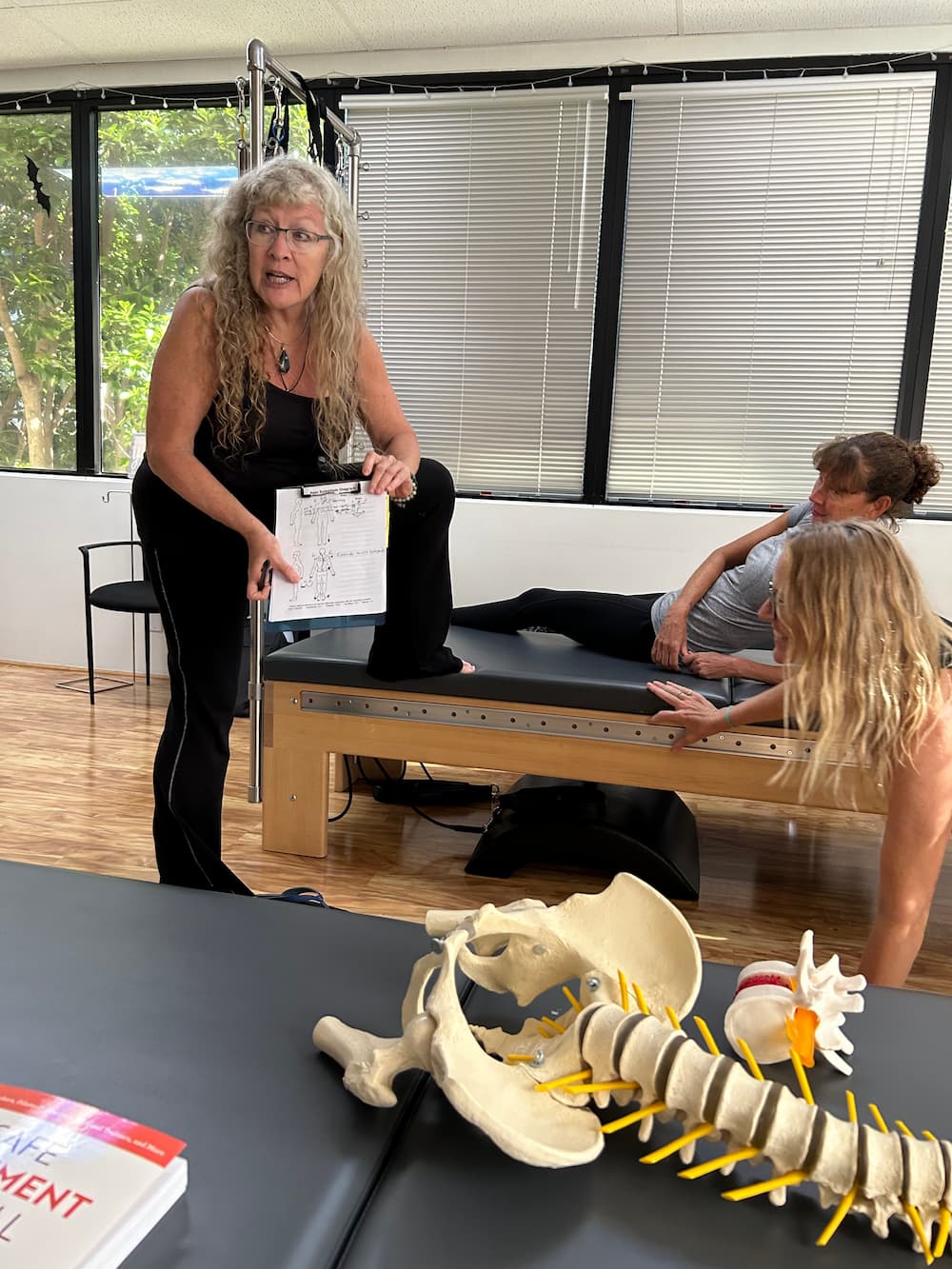
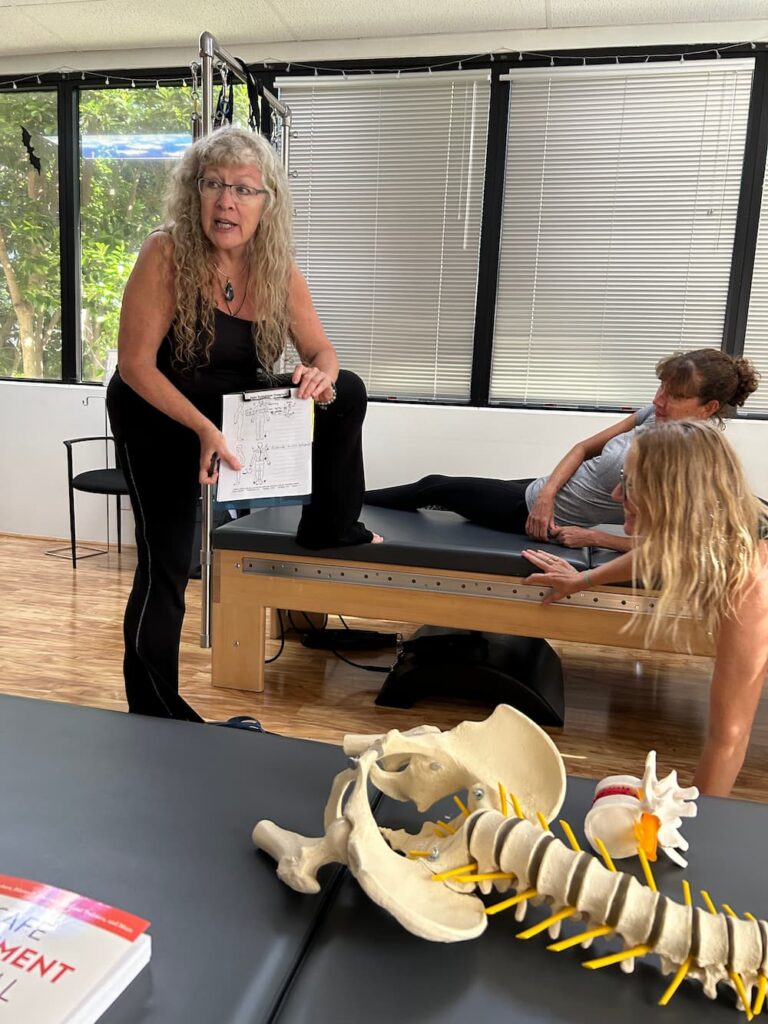
As we gentle into the year’s end, I think about welcoming the slowing and darkening of the season with peace and acceptance, and of course gratitude. We are approaching the Holiday season and for many of us – no matter how we celebrate, it may come with its own particular kinds of pressure, a low-key type of stress.
One of the most interesting new pieces of information I learned when doing research for my workshops on degenerative spine conditions was the connection of stress to bone density loss.
I think we may be able to recognize stressful events in our lives that occur periodically, more than we can recognize low-level, ever-present stress. A periodically stressful time is recognizable because of its periodicity; the fact that it isn’t there every day makes it more noticeable when it is happening.
What about the stress that becomes a background noise, an ever-present hum in the soundtrack of our life, almost like a white noise that we stop noticing because it is always there?
This is the type of stress that I am thinking about. The kind that you didn’t even know was there until it’s gone. Kind of like a chronic pain that hums in the background, that becomes white noise, and when it lifts, we realize how it permeated the fabric of our lives.
It is this chronic, low-level stress that, if experienced long-term, affects multiple body systems. One of these affected areas is our bone health.
First, let’s look at how the stress response works:
Our Amygdala is the threat-assessor in our central nervous system (see more in my blog, “Making Friends with Your Amygdala”). The amygdala processes external stimuli and sends information about perceived threats to our safety to the hypothalamus.
Stage 1: initial activation
The Hypothalamus activates the ANS which sends a message to the adrenals to release epinephrine/adrenalin, elevating heart rate + blood pressure + breathing + releases glucose and fats into the bloodstream for energy. This is the flight or flight, sympathetic nervous system response.
In a normal stress response, the epinephrine/adrenaline subside and the body returns to normal.
If the perceived threat continues Stage 2 is activated:
Stage 2: HPA axis [hypothalamus + pituitary glands + adrenal glands]
The HPA axis is a feedback loop involving these three endocrine glands that serve as the body’s primary long-term stress response system.
The Hypothalamus releases corticotropin-releasing hormone (CRH) and sends it to the pituitary gland which releases adrenocorticotropic hormone (ACTH) sending it to the adrenal glands which produce cortisol
Stage 3: threat passes, cortisol levels fall, PNS activates
Chronic low-level stress keeps the HPA axis on. This means that stress hormones continue to be produced, as the feedback loop never shuts off, creating a high “set” to the sympathetic tone of the nervous system.
Now, how does chronic, low-level stress affect bone density?
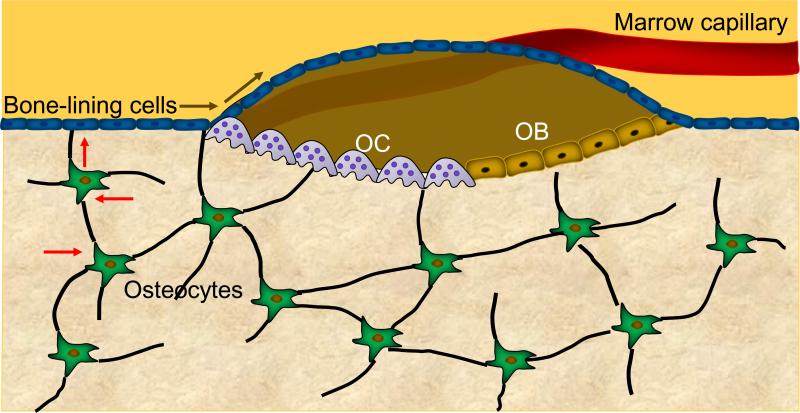
This is a graphic interpretation of the bone turnover cycle. Osteocytes are bone cells. The lines between them represent the lacunar-canalicular network, which is the system of channels responsible for fluid exchange within the bone matrix. OC = octeocyte, the cells that “eat” (reabsorb) bone, and OB = osteoblast, the cells that excrete or “build” new bone.
When the HPA axis is activated and does not shut off, this creates an abnormal, continuous production of cortisol, which is a type of glucocorticoid and is the primary type produced by the HPA axis.
Glutocorticoids are a steroid class of stress hormones that directly attack osteocytes and cause aptosis, which is cell death. This results in a reduced ability to maintain the lacunar-canalicular network, as why would the body need to nourish dead bone cells?
Increased glutocorticoid production and sensitivity decreases skeletal hydration and increases skeletal fragility.
Considering the negative effects that stress has on bones means that a bone-density building program must include stress-reduction techniques including breathwork, meditation, visualization, and other mind-body techniques. In PIlates, yoga, personal training, and group exercise classes we can use breathing techniques to meet our clients where they are (stressed or not) and then influence positive changes by including breathwork in our cueing.
Here is a video I made of a breathing meditation with some visualization to offer some ideas, and to use as-needed!
Peace and love,
-Gwen
Want to dive deeper?
Join Gwen in Foundations or the Safe Movement For All Spines Mentorship.